


-

Add: HeBei ShengShi HongBang Cellulose Technology CO.,LTD.
-

Email
13180486930@163.com -

CONTACT US
+86 13180486930



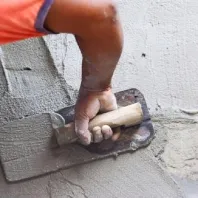
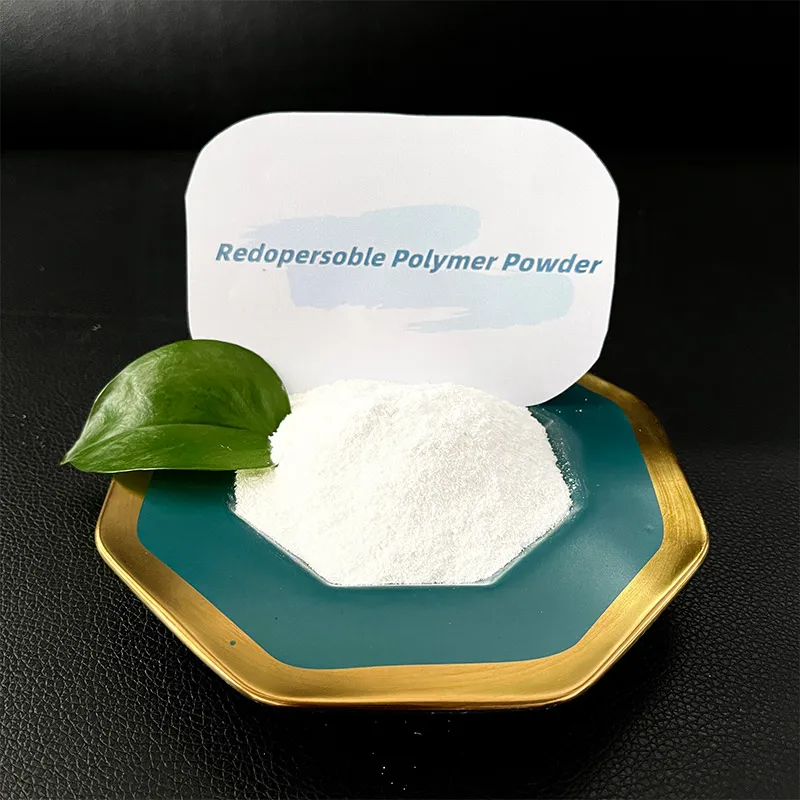
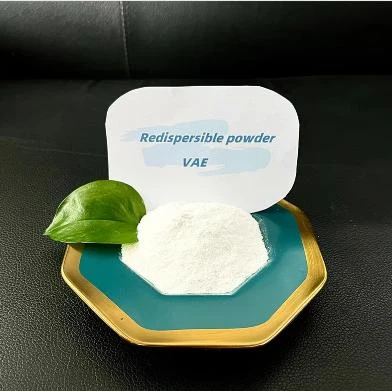


Fiberglass for Concrete Mix Enhancing Strength and Durability Concrete is one of the most widely used construction materials in the world, known for its strength and versatility. However, it does have its limitations, such as brittleness, susceptibility to cracking, and overall weight. To tackle these challenges, the incorporation of fiberglass into concrete mixes has emerged as a game-changing solution that boosts performance while maintaining the same traditional characteristics of concrete. What is Fiberglass? Fiberglass, or glass fiber, is a reinforced plastic material composed of fine fibers of glass. It is known for its high strength-to-weight ratio, excellent resistance to corrosion, and impressive insulation properties. When added to concrete mixes, fiberglass can significantly enhance the material's overall performance, making it a popular choice in various construction applications. Benefits of Fiberglass in Concrete Mixes 1. Improved Tensile Strength One of the most significant advantages of incorporating fiberglass into concrete is the enhancement of tensile strength. Traditional concrete tends to be strong in compression but weak in tension, which can lead to cracks and structural failures. By adding fiberglass, the tensile strength increases, making the concrete more resistant to stress and load-bearing requirements. 2. Reduced Shrinkage and Cracking Fiberglass acts as a reinforcement that helps to minimize shrinkage during the curing process. This reduction in shrinkage translates to a decreased risk of cracking, which is often a common issue in standard concrete mixes. By effectively controlling cracking, fiberglass-reinforced concrete extends the lifespan of structures and reduces the need for repairs. 3. Lightweight Composition The lightweight nature of fiberglass compared to traditional reinforcement materials like steel means that concrete mixes can maintain lower overall weight. This can reduce the structural load on foundations while still providing the necessary strength and durability. Such lightweight composition is particularly advantageous in projects where load restrictions are critical. fiberglass for concrete mix 4. Enhanced Durability Fiberglass is naturally resistant to corrosion and chemical attack, which can often plague concrete exposed to harsh environmental conditions. By incorporating fiberglass, the resulting concrete becomes more robust against moisture penetration, temperature fluctuations, and aggressive chemicals, making it ideal for use in areas such as coastal regions, industrial sites, or places with severe weather. 5. Cost-Effectiveness While there may be initial costs associated with adding fiberglass to concrete mixes, the long-term savings are significant. The durability and reduced maintenance associated with fiberglass-reinforced concrete often lead to lower repair and replacement costs over the lifecycle of a structure. Additionally, the efficiency of construction and the potential reduction in material usage can further offset expenses. Applications of Fiberglass-Reinforced Concrete The application of fiberglass in concrete mixes spans across various sectors including residential, commercial, and industrial construction. From precast concrete products to architectural elements, such as facades and sculptures, fiberglass enhances the performance and aesthetic appeal of concrete structures. One notable application is in the construction of pavements and flooring systems. The addition of fiberglass not only improves the structural integrity but also provides slip resistance, ensuring safety in both industrial and commercial environments. Moreover, the use of fiberglass in thin overlays and shotcrete processes shows significant promise, allowing for quick application with high durability. Conclusion In conclusion, the integration of fiberglass into concrete mixes presents a wealth of benefits that significantly enhance the material's performance. Improved tensile strength, reduced shrinkage, enhanced durability, and lightweight composition make fiberglass-reinforced concrete an excellent choice for modern construction projects. As the construction industry continues to evolve, adopting innovative materials like fiberglass will be crucial in meeting the demands for stronger, more resilient, and cost-effective building solutions. By embracing these advancements, engineers and architects can create structures that not only stand the test of time but also contribute to more sustainable development practices.
- 40000tons

Production
- 20+years

Experience
- 5000+㎡

Acreage

-
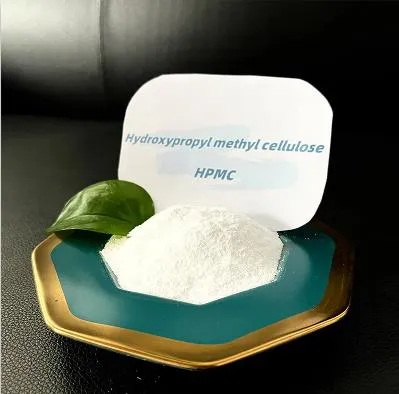
Navigating the complex waters of supplements and their components can be daunting. However, one name that often comes up in discussions about high-quality supplement ingredients is VivaPharm HPMC. Many products owe their efficacy to this compound, making it a focus for consumers and industry experts alike. This article aims to shed light on VivaPharm HPMC, exploring its true potential through the lenses of experience, expertise, authoritativeness, and trustworthiness. VivaPharm HPMC—or Hydroxypropyl Methylcellulose—is more than just a mouthful of syllables. It represents the pinnacle of cutting-edge supplement technology. As a pharmaceutical-grade cellulose derivative, it is uniquely engineered for consistency and reliability in various applications. In the competitive world of health supplements, the need for trustworthy components has never been more critical. VivaPharm HPMC meets these requirements impeccably, supporting its host of benefits with strong empirical data and industry endorsement. From an experiential standpoint, VivaPharm HPMC enhances product performance by acting as a controlled-release agent. This means that once ingested, the active ingredients in a supplement are metabolized steadily, providing a more consistent and sustained effect. This is particularly beneficial for pharmaceuticals and dietary supplements that require precise delivery mechanisms to maximize efficacy. Users have long hailed this feature as a game-changer, often citing extended relief and improved outcomes as noteworthy benefits. Personal testimonials and documented case studies abound, underscoring the real-world impact of products utilizing VivaPharm HPMC. Professional expertise is another critical factor that positions VivaPharm HPMC as a superior choice for health applications. Pharmacists and formulators routinely emphasize the compound’s versatility in enhancing solubility and stability of hydrophobic active ingredients. Its non-ionic and inert characteristics also ensure compatibility with numerous formulations, mitigating issues of cross-reactivity—a critical consideration in the pharmaceutical and nutraceutical industries. It’s clear that expert consensus places VivaPharm HPMC in a league of its own, with extensive research supporting its use across diverse product categories. vivapharm hpmc Authoritativeness in the realm of supplement ingredients cannot be overstated. VivaPharm stands as a bastion of quality assurance and regulatory compliance . Products incorporating VivaPharm HPMC are frequently subjected to rigorous quality testing and adhere to stringent industry standards. This dedication to excellence not only instills confidence among manufacturers but also reassures consumers of the safety and reliability of the supplements they choose to incorporate into their health regimens. Such authoritative backing is essential in an industry fraught with dubious claims and subpar products. Lastly, the trustworthiness of VivaPharm HPMC is reflected in its global reputation. Garnering endorsements from industry bodies and being a staple ingredient for top-tier supplement brands, VivaPharm exemplifies transparency and integrity. The company’s commitment to sustainability and ethical sourcing further cements its status as a trusted leader in the field of supplement production. Consumers increasingly demand accountability and green practices from the brands they support, and VivaPharm undoubtedly delivers on these fronts. In conclusion, whether for personal use or large-scale manufacturing, VivaPharm HPMC serves as a benchmark for quality and reliability. Its proven benefits in controlled release, combined with broad industry expertise and authoritative endorsement, make it a standout ingredient in the world of supplements. As consumers become more informed and discerning, the demand for trustworthy, high-performing components will continue to rise. VivaPharm HPMC, with its holistic applicability and steadfast dedication to quality, is well-poised to remain at the forefront of this dynamic field, ensuring that the supplements reaching consumers are as effective and safe as possible.
-
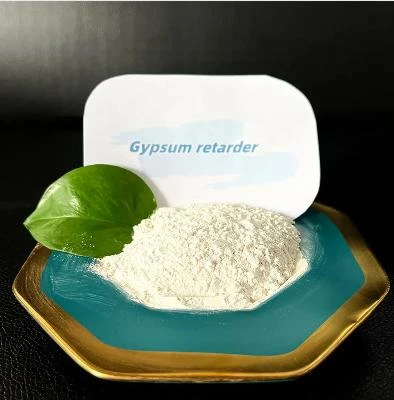
In the dynamic world of construction and interior finishing, the importance of time and precision cannot be overstated. When working with gypsum-based materials, controlling the setting time is critical to achieving optimal application quality and avoiding material waste. This is where the cream of tartar plaster retarder becomes a game-changer. Known for its ability to effectively slow down the setting process of gypsum, cream of tartar offers contractors, builders, and DIYers the flexibility they need to work with ease and precision. Derived from potassium bitartrate, cream of tartar plaster retarder is a natural additive that works by interfering with the hydration process of calcium sulfate hemihydrate. By delaying the formation of gypsum crystals, it extends the working time of plasters, allowing for more accurate application, especially in complex or large-scale projects. What makes this additive especially appealing is its safety profile—non-toxic, environmentally friendly, and easy to incorporate into existing mixes. Professionals favor cream of tartar plaster retarder for fine finishing jobs, artistic applications, and situations requiring a high level of detail. Whether it's decorative ceiling work or intricate molding, the extended setting time gives artisans the chance to perfect their craft without the stress of rapid hardening. It also prevents cracks and imperfections that result from rushing or poorly mixed plasters. This additive brings quality control to the fingertips of every plastering expert. Unlock Greater Flexibility with Extra Time Plaster Additive Time is of the essence in construction, yet when it comes to plastering, having extra time plaster additive can be the difference between an average finish and a flawless surface. Whether working in extreme climates, on complex architectural details, or over large surface areas, professionals turn to extra time solutions for reliable performance. The extra time plaster additive functions by slowing the exothermic reaction during the hydration phase of gypsum. This modification allows plaster to remain workable for an extended period, eliminating the pressure to rush and reducing the risk of uneven finishes or missed spots. When applying multiple coats, adjusting level surfaces, or sculpting decorative elements, having more time is essential. Contractors using extra time plaster additive can avoid common pitfalls such as cold joints, early cracking, and rework. This results in reduced labor costs, minimized material waste, and higher client satisfaction. The additive proves especially useful in hot or dry climates where rapid evaporation shortens setting time drastically. It also supports better adhesion and uniform curing, which enhances durability and visual appeal. Unlike traditional retarders that may be difficult to dose or mix, extra time plaster additive is typically formulated for easy integration into any gypsum-based compound. It’s compatible with hand-applied and machine-applied plaster systems, ensuring versatility across all modern construction needs. Ultimately, this additive empowers professionals to focus on the artistry of their work rather than the ticking clock. Boost Efficiency with Gypsum Retarder Chemical for Plaster Control In industrial and commercial applications, the demand for scalable, consistent results makes the gypsum retarder chemical an indispensable asset. As large construction firms and manufacturers strive for excellence, this specialized compound ensures that every batch of gypsum-based material meets strict timelines and quality standards. A gypsum retarder chemical is designed to fine-tune the reaction kinetics of gypsum, adjusting the setting profile to suit specific environmental conditions, labor availability, and surface characteristics. Whether used in precast gypsum panels, wallboards, or on-site plastering, this chemical enhances workability without compromising structural integrity. The flexibility introduced by the gypsum retarder chemical translates to a more efficient workforce and a higher degree of control during application. It allows for staggered mixing and application cycles, which are essential in large-scale operations where teams are working in sequence. It also enables smoother finishing, reducing sanding and touch-up time. Engineered for reliability, the gypsum retarder chemical ensures uniform retardation across batches, reducing variability and helping to meet regulatory requirements. It’s compatible with a wide range of gypsum products and can be custom-formulated to suit specific climatic or production line conditions. Construction and prefab companies appreciate its scalability, allowing consistent quality from the first mix to the last. Cream of Tartar Plaster Retarder vs Extra Time Plaster Additive: Which One to Choose? Both cream of tartar plaster retarder and extra time plaster additive serve the same primary function—slowing the setting time of gypsum. However, they are suited to different contexts based on formulation, project scale, and performance expectations. Choosing between them depends on your specific needs. The cream of tartar plaster retarder is ideal for small to medium jobs, decorative applications, and environmentally conscious builders. Its natural origin makes it a favorite among those seeking greener construction practices. It is best suited for jobs where fine detail and user-friendly handling are essential. Conversely, the extra time plaster additive is typically a more robust, commercially formulated product with predictable dosing and consistent results. It’s perfect for demanding conditions, larger surface areas, and time-sensitive environments. In high-speed construction settings or temperature-challenged environments, this additive holds significant advantages. The decision between cream of tartar plaster retarder and extra time plaster additive comes down to whether you're prioritizing artisanal flexibility or industrial performance. For best results, many professionals keep both options available, choosing based on project specifics. The Role of Gypsum Retarder Chemical in Modern Construction Materials With the evolution of gypsum-based products, from drywall panels to high-performance plasters, the gypsum retarder chemical has emerged as a silent yet powerful player in product formulation. It is not only a time control agent but also a quality enhancer that impacts the entire lifecycle of the construction process. By integrating a gypsum retarder chemical into base formulations, manufacturers can produce longer-lasting products that are easier to handle and apply. This reduces waste on job sites, improves finish quality, and supports more sustainable construction practices. From factory to field, the chemical offers unparalleled control over curing profiles. Additionally, the gypsum retarder chemical contributes to better adhesion, fewer shrinkage issues, and improved compatibility with various coatings and finishes. Its use extends into decorative gypsum items, pre-formed molds, and even fire-resistant panels, making it a cornerstone in high-performance building systems. In a world where precision, efficiency, and environmental accountability are paramount, incorporating gypsum retarder chemical solutions is not just beneficial—it’s essential. As innovation in gypsum products continues to rise, the role of smart chemical additives like this one will only grow more integral to future-proof construction strategies. gypsum retarder chemical FAQs What is the primary benefit of using cream of tartar plaster retarder? The main benefit is its ability to slow the setting time of gypsum-based plaster, which allows more working time for detailed or large-area applications. It is especially useful for artisans and those doing decorative or fine finishing work, providing better control and reducing the likelihood of surface defects. Can extra time plaster additive be used in both hot and cold weather? Yes, extra time plaster additive is effective in both hot and cold climates. In hot weather, it prevents premature setting due to high evaporation, while in colder temperatures, it helps maintain a consistent setting time by offsetting the slow natural reaction rates. This ensures reliable performance regardless of external conditions. How does gypsum retarder chemical differ from natural retarders? While natural retarders like cream of tartar are biodegradable and easy to use, gypsum retarder chemical products are typically engineered for precision, consistency, and scalability. They are designed for use in industrial settings and offer tighter control over setting time, making them ideal for mass production and large-scale projects. Is cream of tartar plaster retarder safe for indoor use? Absolutely. Cream of tartar is food-grade in its pure form and is non-toxic when used as a plaster retarder. It does not release harmful fumes and is considered safe for indoor applications, making it a preferred choice for residential and commercial interiors. How much extra time plaster additive should I add to gypsum? The amount varies by manufacturer, but generally ranges between 0.1% and 1% of the total plaster weight. Always follow the supplier's instructions for optimal performance. Overdosing may excessively delay setting or affect final strength, while underdosing might not provide sufficient working time.
advantages
-

200000 Viscosities
Excellent product
We can produce pure products up to 200,000 viscosities
-

40000 tons
High yield
We don’t stop production all year round, and the annual output can reach 40,000 tons
-

24 hours
Quality service
We provide 24-hours online reception service, welcome to consult at any time
———— Inquiry Form
Schedule A services
-
 hpmc_e5lv
Oct . 25, 2025
Macro fibers concrete has emerged as a revolutionary material in the construction industry, renowned -
 difference_between_hpmc_k_and_e_series
Oct . 25, 2025
In the ever-evolving world of construction materials, HPMC cellulose has emerged as an essential add -
 hpmc_e5lv
Oct . 25, 2025
Macro fibers concrete has emerged as a revolutionary material in the construction industry, renowned


